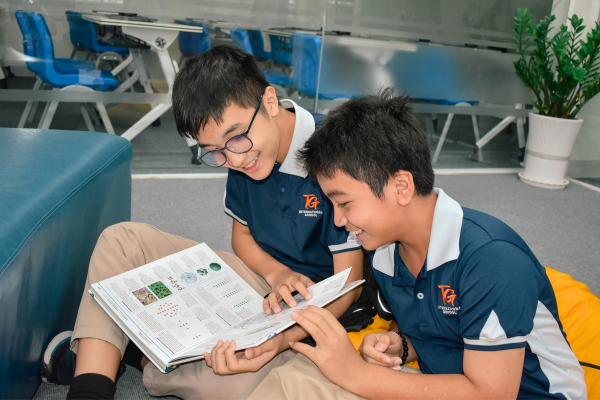
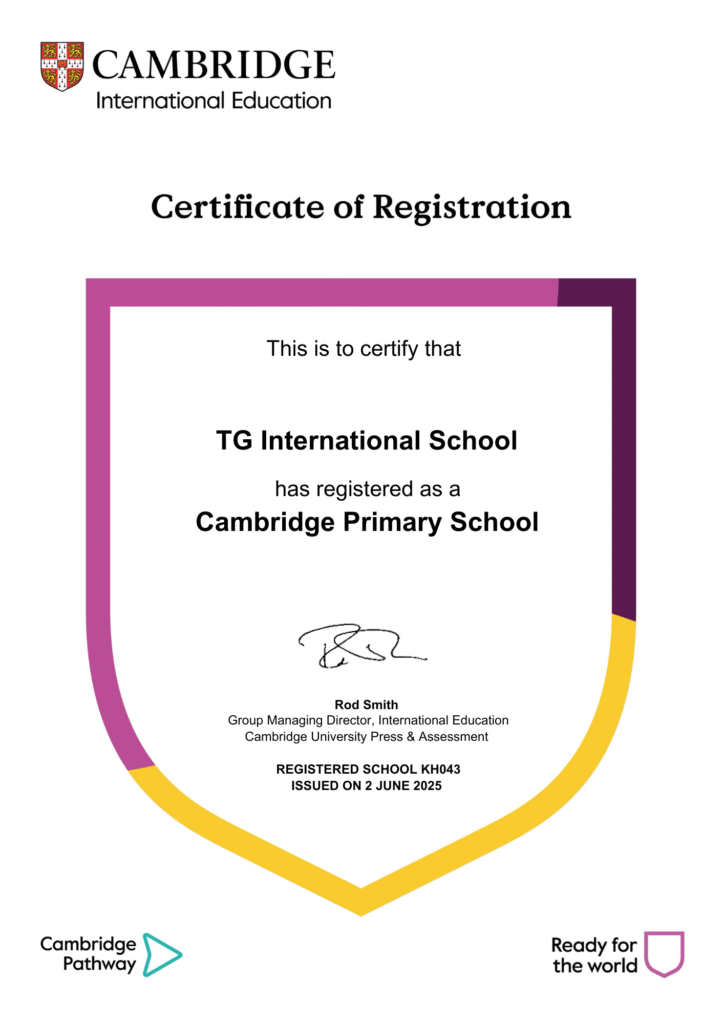
Our Primary curriculum offers a holistic learning experience for our learners. By using learner benchmarks inspired by the Singapore Curriculum, our English programme covers a range of learning objectives including communication, listening, grammar, vocabulary, writing and spelling. Our math curriculum encourages the development of independent thinking, analysis and abstract thought.
HIGHSCHOOL
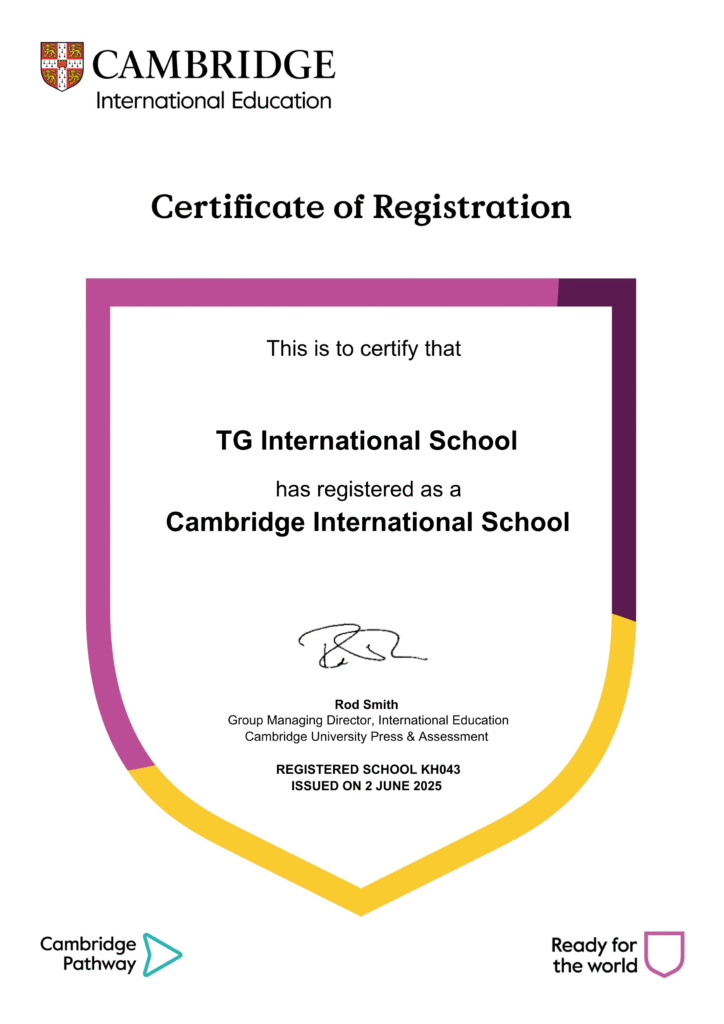
Our High School programme follows the Cambridge curriculum. The Cambridge Secondary curriculum sets global standards that are recognised by universities worldwide. The curriculum is challenging and inspiring, culturally sensitive and international in approach. It is a concept-based curriculum that provides theme-based units featuring learning goals that outlines the knowledge, skills and understanding needed across all subjects, as well as developing personal dispositions to help students become more internationally minded.
OUR CAMBRIDGE VIDEOS
Playlist
3 Videos
0:16
0:16
0:16
OUR SPECIALTIES
SPECIALIST SUBJECTS
TG International School future-focused curriculum is augmented by a range of specialist subjects, ensuring a comprehensive educational experience. Studentsbenefit from holistic learning experiences across diverse areas in the Arts, Languages, Music, Technology and Physical Education. Our approach underscores the integration of academic rigor with these vital disciplines, emphasizing their importance in every child’s education.
Personal, Social, Physical Education
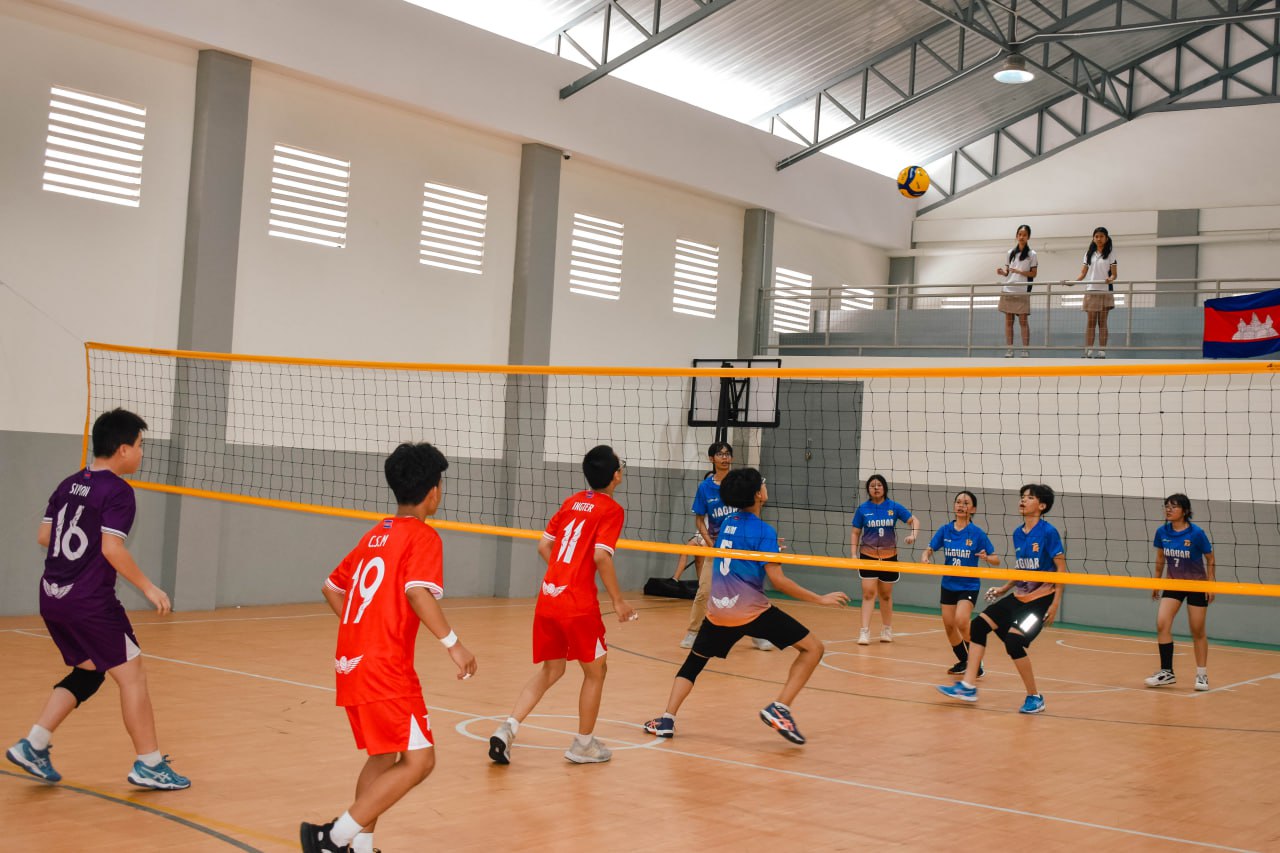
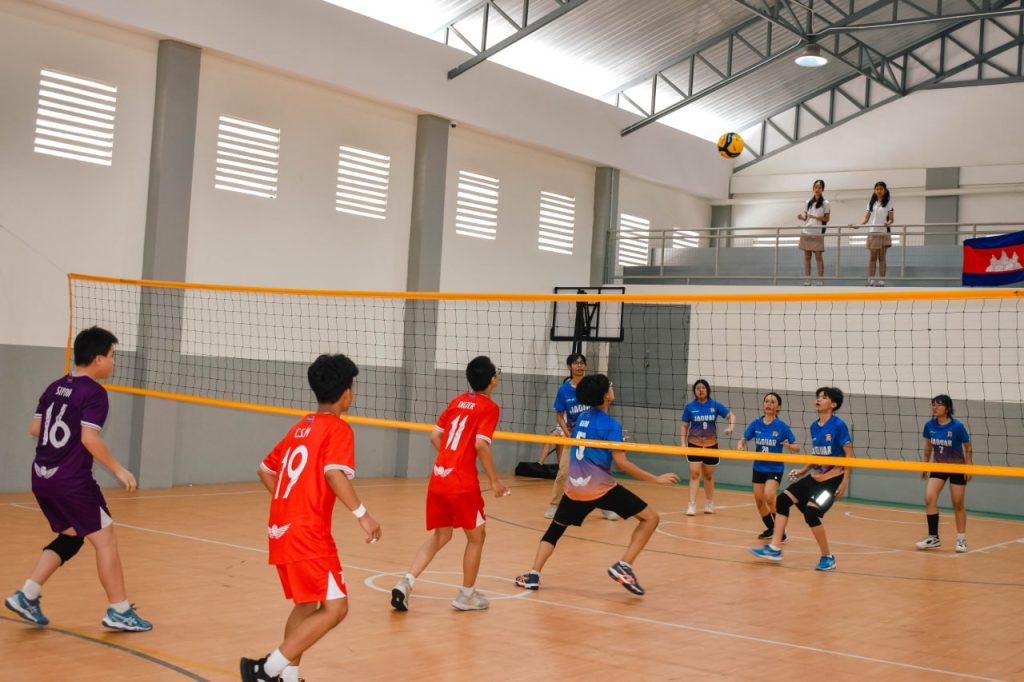
The Personal, Social, Physical Education (PSPE) curriculum at TG International school covers a variety of topics related to personal development, social growth and physical activities. The curriculum is organised around these strands of learning: Self-Awareness, Social Interaction and Active Living. Where authentic opportunities arise, our PSPE curriculum makes interdisciplinary links with Cambridge Global Perspectives units of learning.
Personal, Social, Physical Education
Art
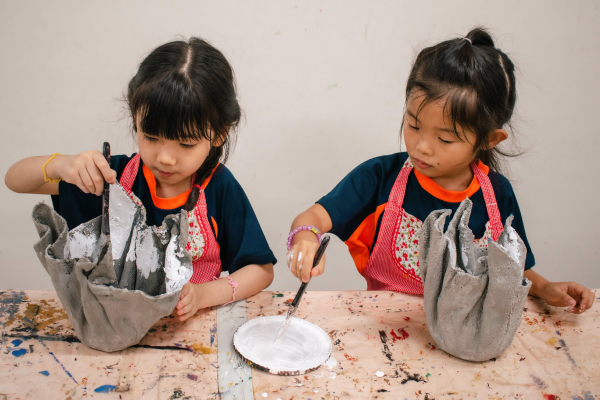
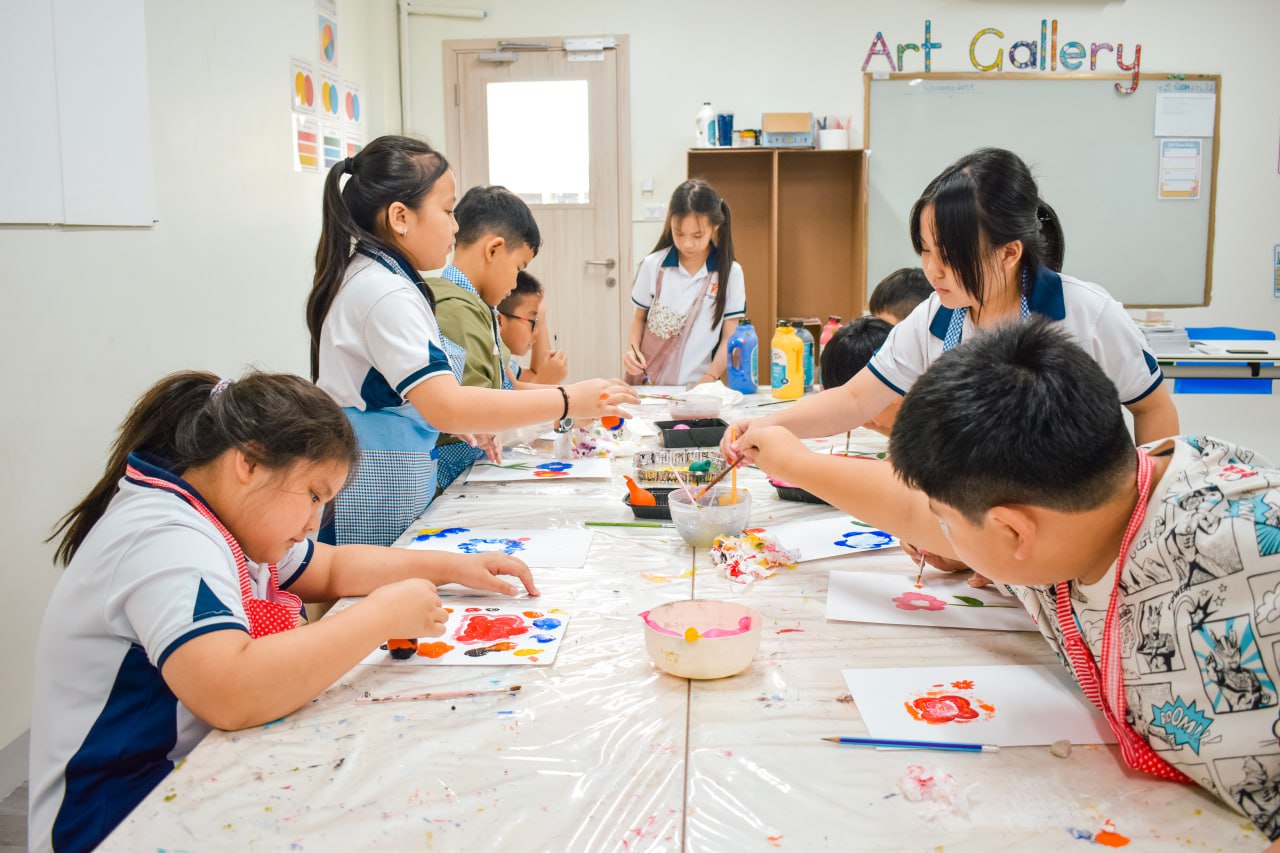
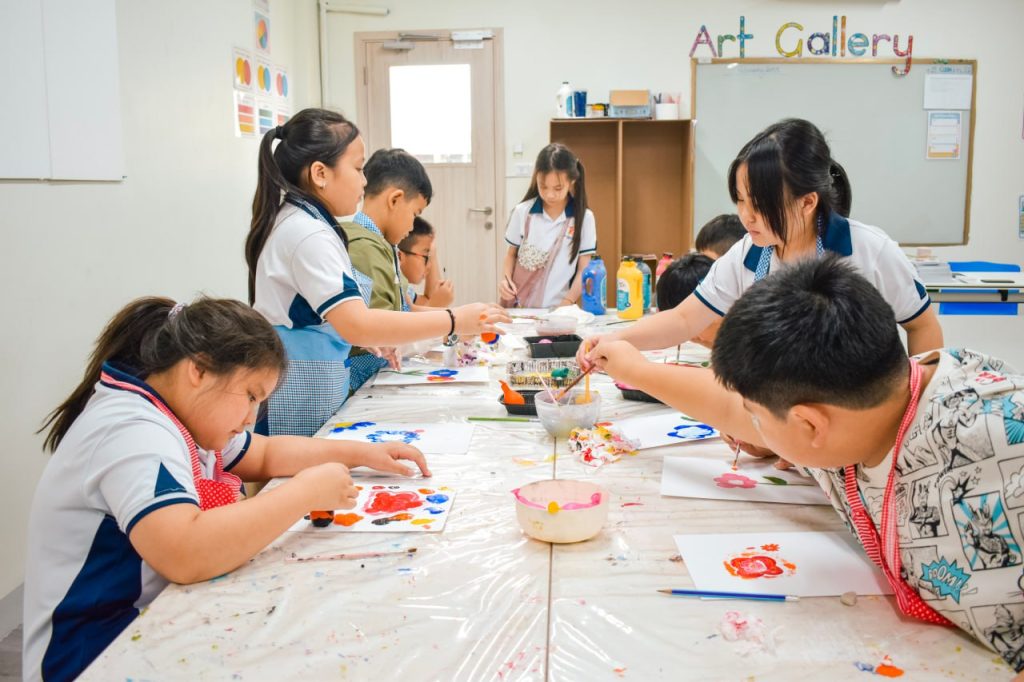
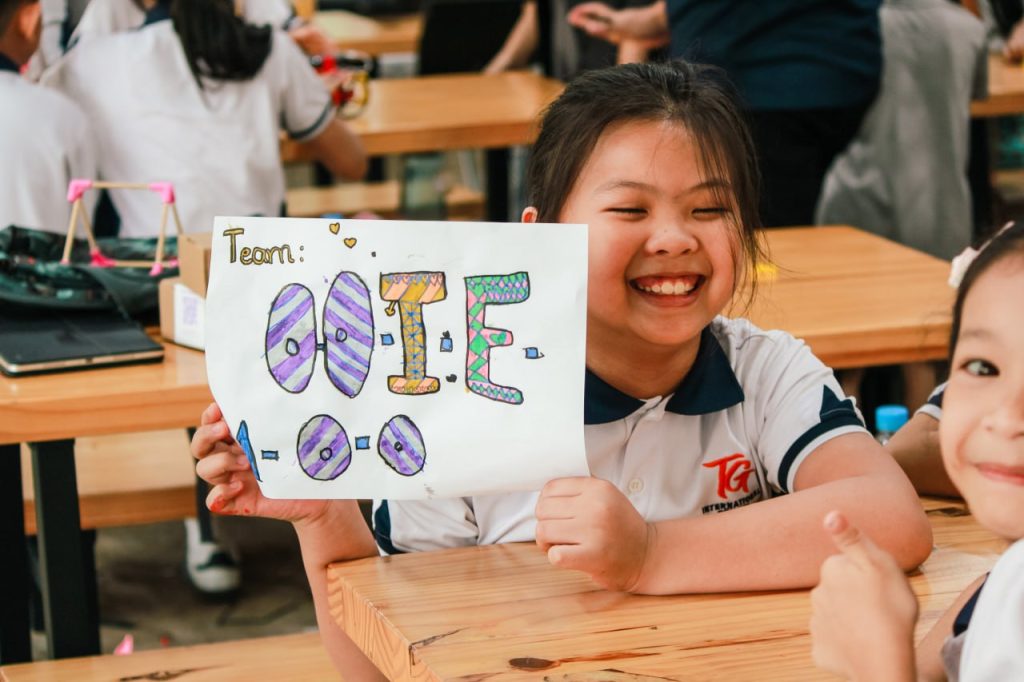
Art at TG International School develops students’ appreciation and understanding that Art is a powerful mode of communication through which students explore and construct a sense of self and develop an understanding of the world around them. Art provides students with a range of opportunities and means to respond to their experiences and engage with historical, social and cultural perspectives. The students are stimulated to think and to articulate their thoughts in new ways and through a variety of media and technologies. Art develops the whole child, promotes creativity, critical problem-solving skills and social interaction. The curriculum is organised around the learning strands of Art Techniques, Appreciation, and Expression. Where authentic opportunities arise, our Art curriculum makes interdisciplinary links with Cambridge Global Perspectives units of learning.
Art
Music
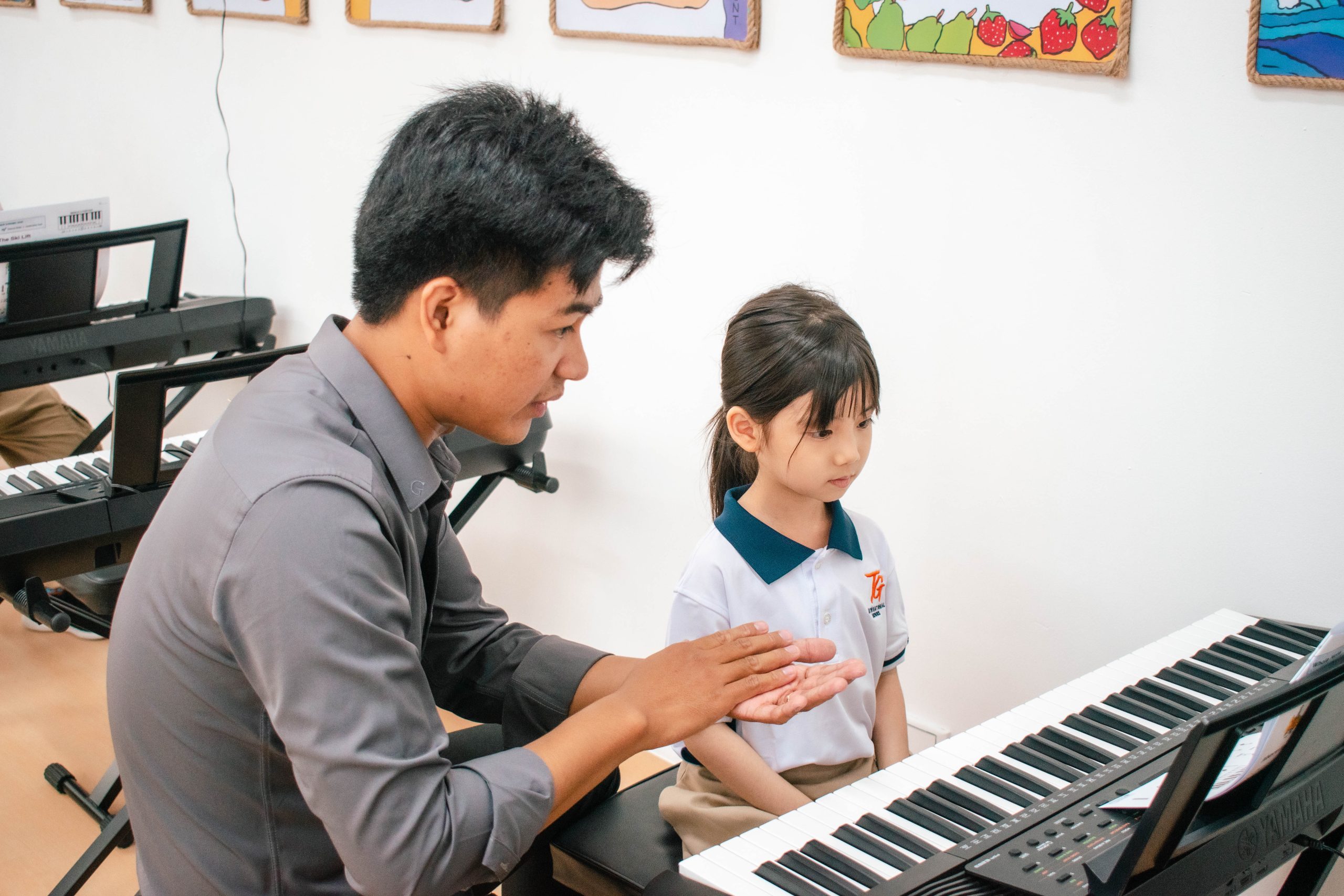
The Music curriculum is organised around the learning strands of Music Theory, Appreciation, and Performance. Where authentic opportunities arise, our Music curriculum makes interdisciplinary links with Cambridge Global Perspectives units of learning. We hope to inspire students to see music as an important common language through which humans communicate our emotions, ideas, identity, rituals and culture. Through our music education, we hope our students will see more similarities between people instead of differences.
Music
Technology
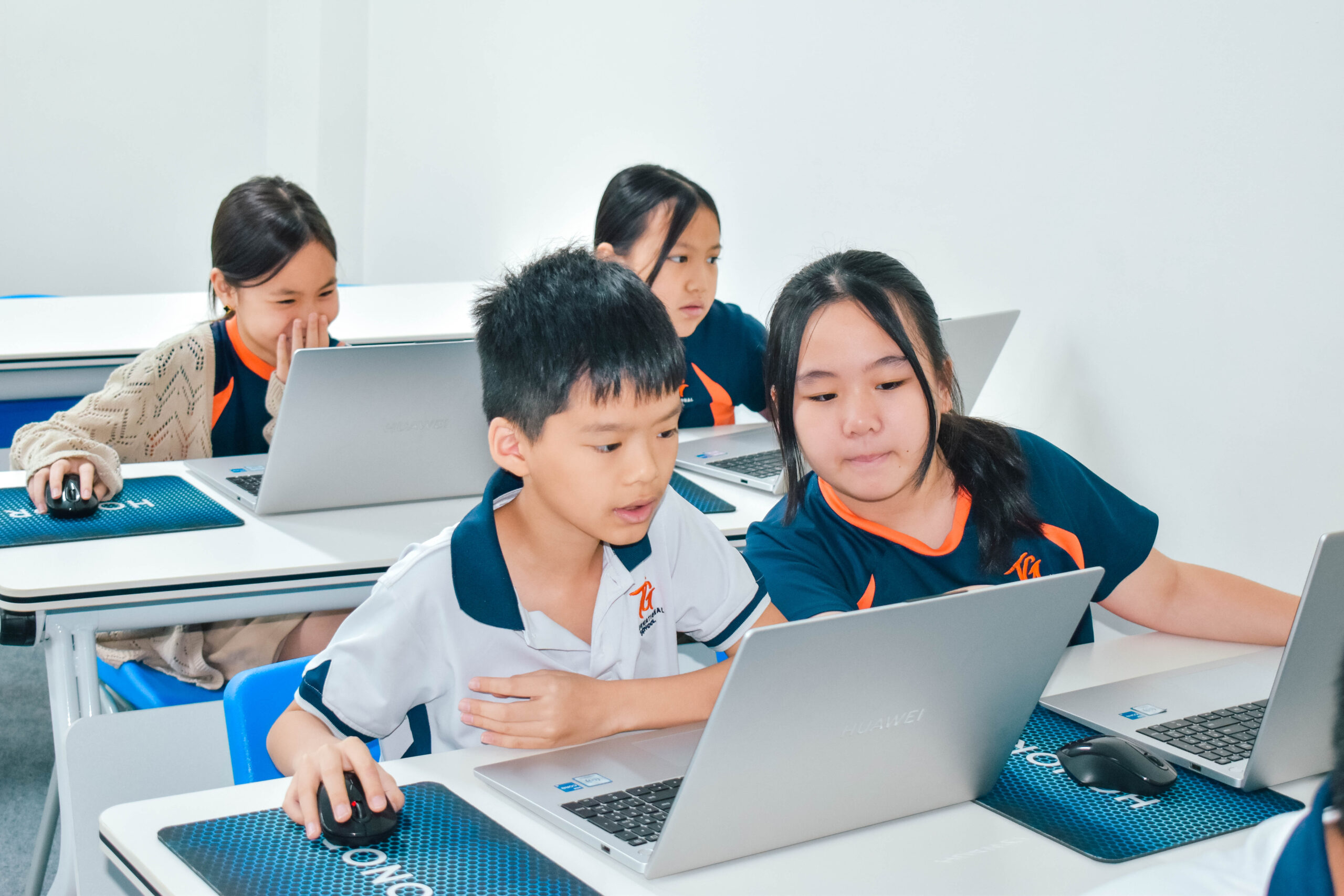
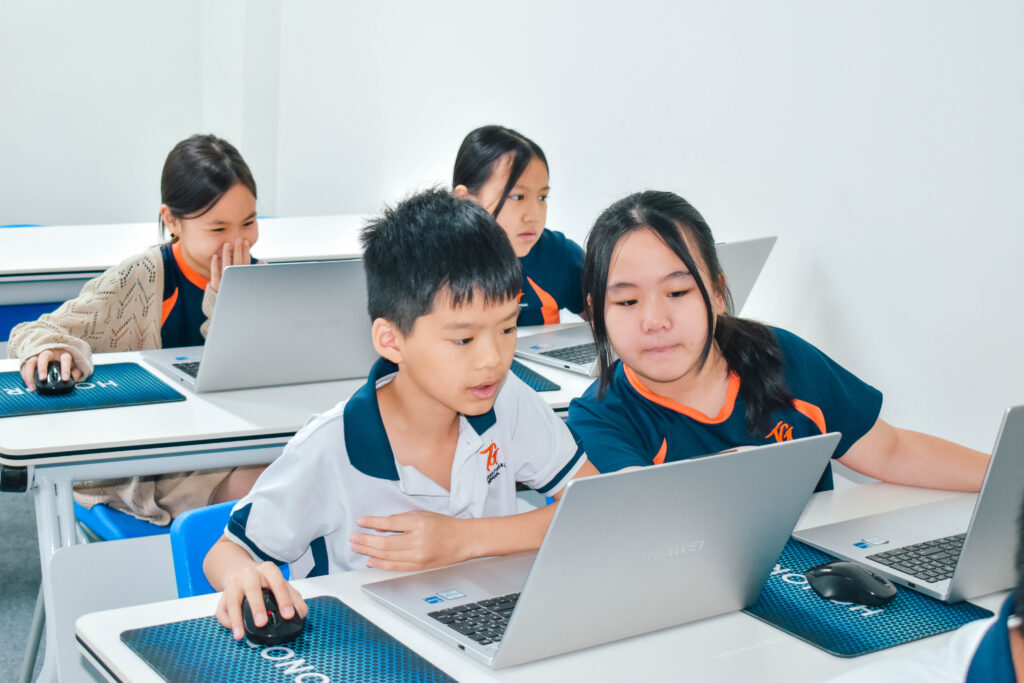
At TG International School, we believe that technology is an integral tool that supports learning in the classroom, including Cambridge Global Perspectives units of learning. We hope to develop students’ digital literacy and to become skillful at using technology for communication – to access information, collect and record information, analyse data to synthesise information, and then to present information, thinking about the purpose and the audience. Internet safety and cyber etiquette are also important knowledge and skills we want to impart to students.
Technology
Languages
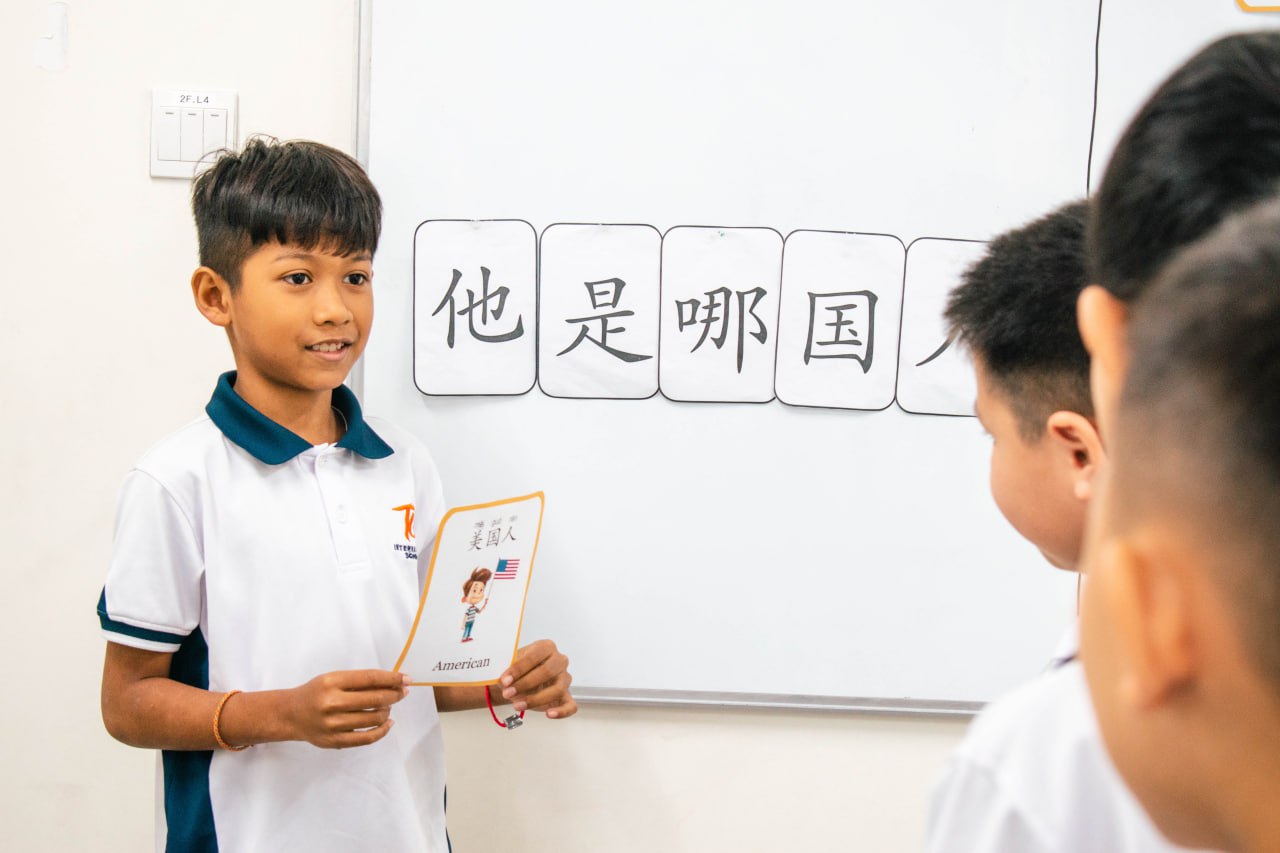
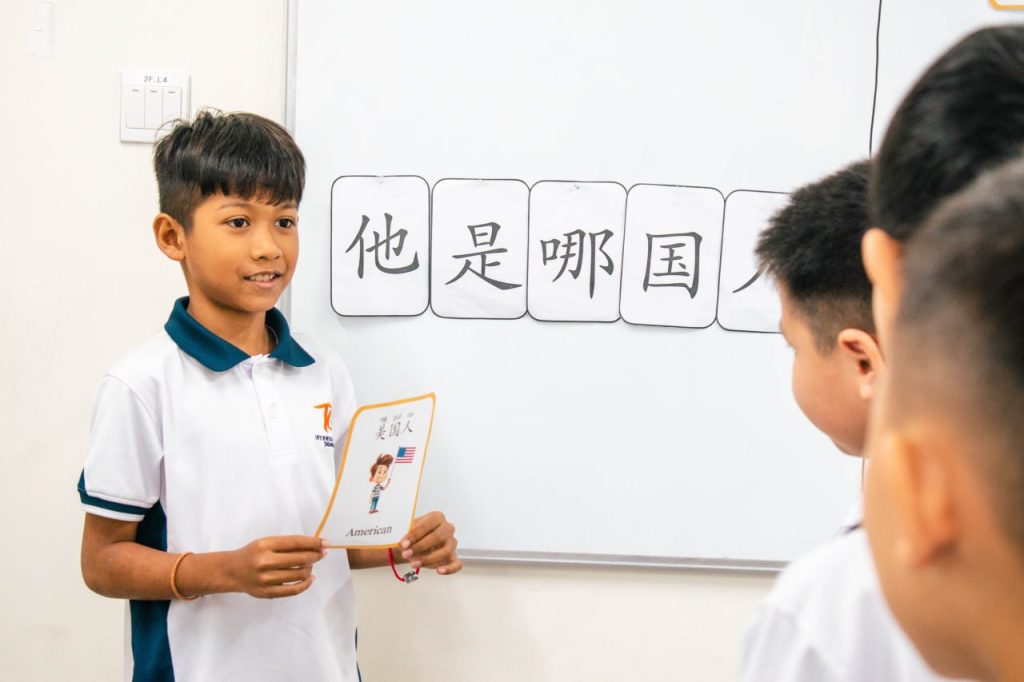
At TG International school we value students’ language development. Every student can choose one of the following languages options, in addition to the Cambridge Primary English lessons:
Mandarin Foreign Language
Additional English Language
Growth Charting Strategies
At TG International school, charting your child’s growth journey is one of our priorities. Assessment for improvement and growth is therefore an integral part of teaching and learning. The school monitors every child’s progress using both formative and summative assessment practices, aligned to Cambridge International assessment and evaluation benchmarks.
Formative assessment modes such as quizzes and performance tasks provide teachers with important feedback that they can use for improving and customising instruction and learning
A more formal assessment mode such as paper and pencil tests are used to evaluate every child’s learning at the end of an instructional chapter or unit
Parents are also invited to the parent-teacher conferences as they are a key support and motivation in the growth journey of their child.
Languages
CAMBRIDGE CURRICULUM
GLOBAL PERSPECTIVE
At each year level, students are engaged in different themes designed to appeal to their interests and help them to learn more about the world around them. These themes help children to see how subjects such as Art, Geography, History, ICT and Computing, Music, PE, Science, Society, Technology, Language and Mathematics are both independent and interdependent. This enables them to see the big picture of their learning, make connections across different subjects, and see topics and issues in the world from multiple perspectives.
GOALS
Subject Learning Goals
Subject Learning Goals
The subject goals cover the knowledge, skills and understanding that students should learn in Science, History, Geography, ICT and Computing, Technology, Music, Art, PE, Society, International, Language and Mathematics. These subjects are built into the different thematic units of work, where they work independently yet interdependently with each other so that children can talk about their learning through multiple perspectives.
Personal Learning Goals
Personal Learning Goals
The personal goals refer to those individual qualities and dispositions we believe students will find essential in the 21st century. There are eight IPC personal goals: Adaptability, Communication, Cooperation, Enquiry, Morality, Resilience, Respect and Thoughtfulness. Opportunities to experience and practice these very specific dispositions are built into the learning tasks within each unit of work. In addition, we aim to help students.
International Learning Goals
International Learning Goals
The IPC is unique in defining learning goals that help young students begin the move towards an increasingly sophisticated national, international, global and intercultural perspective. Each IPC unit has embedded within it, learning-focused activities that help students gain an increasing sense of themselves, their community and the world around them, whilst developing the capacity to take action and to make a difference.
ASSESSMENT
ASSESSMENT STRATEGIES
At TG International School, we find assessment an integral part of teaching and learning. That is why we closely monitor our student progress using both formative and summative assessment practices.
• Formative assessment – provides teachers with quick feedback that they can use for driving instruction and learning • Summative assessment – evaluates every student’s learning at the end of an instructional chapter or unit
Both students and teachers are actively involved in these assessments. Also, TG International School ensures that every student’s social and academic progress are valued equally.
Assessment Strategies And Tools Include, But Not Limited To:
Observations
Self-Assessments
Peer Assessments
Student Reflection
Open-Ended Tasks
Performance Tasks
Parent-Student-Teacher Conference
Cambridge Primary English
The Cambridge Primary English Curriculum promotes an inquiry-based approach to learning to develop learners’ confidence, creativity and intellectual engagement for a life long enthusiasm for reading, writing and spoken communication. Learners develop English Skills for different purposes and audiences.
The curriculum covers knowledge, skills and understanding in the three strands: Reading, Writing, and Speaking and Listening
This curriculum is for learners who have English as a first language and can be used in any cultural context. For learners who speak a language other than English at home, we supplement with additional support for the development of foundation skills for grasping the language.